
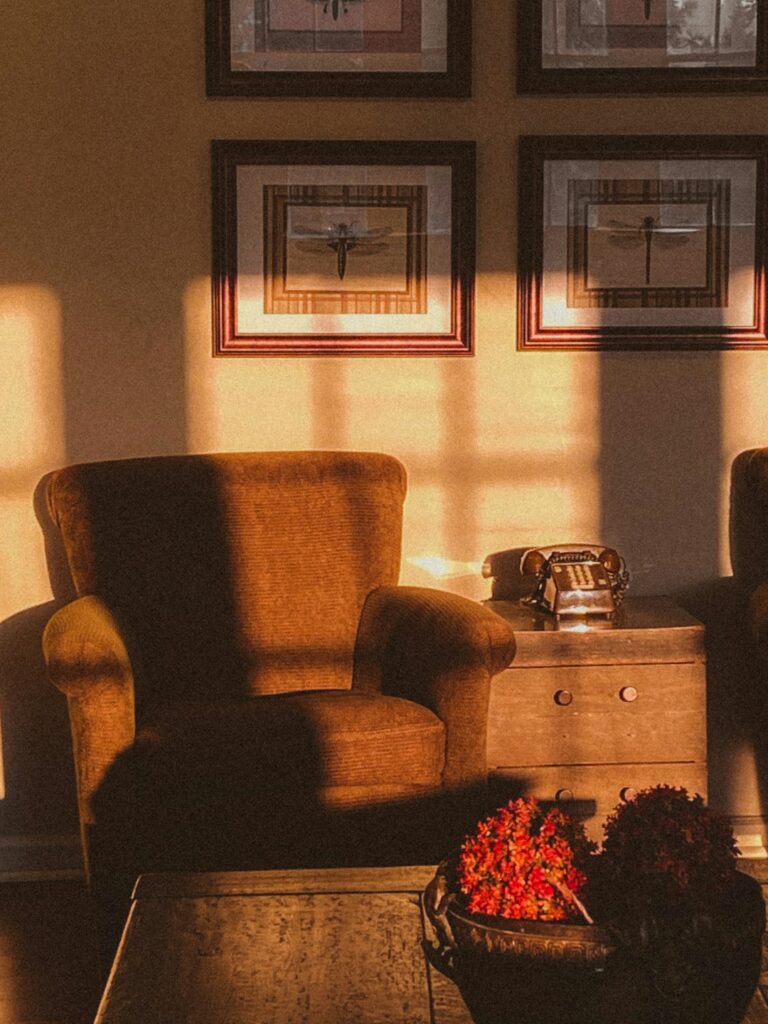
Moving into assisted living often involves more than changing addresses. It means adjusting to a new daily routine, sharing some common spaces, and deciding which belongings, habits, and comforts should come along. A personalized apartment can make that transition feel more familiar and support independence without creating clutter or safety concerns.
What should be brought into an assisted living apartment?
The most useful belongings are usually familiar, practical, and connected to daily routines. Residents do not need to recreate an entire house. A smaller selection of meaningful items often works better than bringing too much furniture or decoration.
Consider starting with:
- A favorite chair that is easy to stand from
- Family photographs or framed artwork
- A familiar comforter, quilt, or set of pillows
- A small bookshelf with regularly used books
- A clock with large, readable numbers
- A radio, television, or music player that is simple to operate
- Frequently used toiletries and personal-care items
- A few familiar dishes or cups, if allowed
- Seasonal clothing that fits the available storage
Before moving furniture, check the apartment’s dimensions, doorway widths, electrical outlets, storage space, and any rules about appliances or wall decorations. Measuring in advance can prevent the stress of discovering that a treasured piece will not fit safely.
How can an apartment feel familiar without becoming crowded?
Choose a few items that create a sense of identity and arrange them around everyday use. A favorite chair near a window, photographs at eye level, and a bedside table holding a lamp, glasses, and a book may do more to create comfort than numerous decorative objects.
A useful approach is to organize the apartment into small zones:
- Resting area: A chair, side table, reading light, and blanket
- Sleep area: A clear path to the bathroom, visible clock, and needed items within reach
- Memory area: Photographs, letters, artwork, or objects connected to family history
- Getting-ready area: Clothing, grooming supplies, and medications arranged according to the resident’s established routine
Avoid placing too many objects on the floor, beside the bed, or along walking paths. Crowding can make the room harder to navigate, particularly for someone using a cane, walker, or wheelchair.
Which furniture and decorations are safest?
Furniture should be stable, easy to approach, and suited to the resident’s strength and balance. Chairs with firm seats and arms are often easier to use than very low, soft furniture. Rolling tables or lightweight pieces may be convenient, but they should not slide unexpectedly when someone leans on them.
Decorations should be secured and positioned where they will not create hazards. Helpful safety choices include:
- Using non-slip backing under small rugs, if rugs are permitted
- Keeping lamp and charging cords away from walkways
- Avoiding glass tables or sharp furniture corners
- Securing tall shelving and heavy artwork
- Leaving access to windows, doors, closets, and emergency equipment
- Maintaining enough space to turn a walker or wheelchair
A professional assessment may be appropriate if the apartment requires electrical changes, wall-mounted equipment, major furniture modifications, or adaptations related to mobility or medical needs. These changes may also require approval under the residence’s policies.
How can lighting improve comfort and independence?
Good lighting helps residents recognize objects, read labels, find the bathroom, and move around more confidently. Natural light can make an apartment feel more open, but window coverings should also allow privacy and reduce glare.
Use layered lighting rather than relying on a single ceiling fixture. A combination may include:
- General room lighting
- A reading lamp beside a chair
- A bedside lamp with an easy-to-reach switch
- Soft night lighting along the path to the bathroom
- Brighter task lighting near a mirror, dresser, or desk

Milton experiences cold, dark winter days as well as bright summer conditions, so lighting needs may change throughout the year. Keep window areas clear enough for daylight while making sure blinds or curtains are simple to operate.
How should personal items support memory and orientation?
Familiar objects can help an apartment feel recognizable, especially during the first weeks after a move. Clear visual cues may also help residents locate important areas and maintain routines.
A large clock, a contrasting-colored bathroom door, or a recognizable picture near the entrance can provide useful orientation. A small display of family photographs may be more effective than a crowded collection that becomes difficult to identify.
For a resident living with memory loss, consistency matters. Keep frequently used items in the same place, use simple labels when helpful, and avoid rearranging the room without explaining the change. Labels should be large, high contrast, and easy to understand. A picture paired with a word may be useful for some residents.
Personal items should reflect the resident’s preferences rather than an assumption about age or ability. Favorite hobbies, music, sports, crafts, books, and family traditions can remain part of daily life in an assisted living setting.
What seasonal changes should residents plan for?
A small amount of seasonal organization can prevent closets and drawers from becoming overcrowded. Milton’s changing weather may require clothing for icy winter conditions, wet spring days, warm summers, and cool autumn evenings.
Keep the current season’s clothing easiest to reach. Store out-of-season items in approved bins or closets, and review clothing regularly for fit, comfort, and condition. Shoes should be secure, supportive, and easy to put on. Slippery soles, loose backs, and worn tread can increase fall risk.
During winter, residents may also need convenient storage for coats, hats, gloves, and boots. Wet footwear should not be left where it creates a slipping hazard. During warmer months, lightweight bedding, a fan if permitted, and breathable clothing may improve comfort.
What should family members avoid doing?
Family members sometimes try to make the apartment perfect before the resident has had time to settle in. That can lead to unwanted furniture, crowded surfaces, or a room that reflects the family’s preferences more than the resident’s.
A better process is to begin with essentials, observe how the space is used, and make gradual changes. Ask questions such as:
- Which chair feels most comfortable?
- What does the resident reach for first in the morning?
- Is anything difficult to see or access?
- Does the room feel too bright, dark, cold, or crowded?
- Are personal items helping with comfort and recognition?
Allowing the resident to make choices—such as selecting photographs, bedding, artwork, or the location of a chair—can reinforce dignity and control.
How can the apartment remain organized over time?
Personalization is not a one-time project. Needs may change as mobility, vision, memory, or daily routines change. Review the apartment periodically for items that are no longer useful or that have become difficult to manage.
Keep commonly used belongings within easy reach, but avoid storing heavy objects overhead. Remove duplicate items, expired products, broken equipment, and clothing that is no longer comfortable. Make sure staff can access necessary areas when required, while still preserving the resident’s privacy and personal style.
The goal is not to create a highly decorated room. It is to create a space that feels recognizable, supports safe movement, and makes ordinary routines easier. A thoughtfully arranged apartment can preserve familiar parts of home while adapting to the practical realities of assisted living.
