
Assisted living can help older adults remain active by making movement, social participation, and everyday routines easier to manage safely. The goal is not athletic performance. It is helping residents continue using their strength, balance, mobility, and confidence in ways that fit their abilities.
For residents and families in Milton, PA, an active lifestyle may include walking indoors, joining a group activity, tending plants, participating in a familiar hobby, or completing parts of a daily routine independently. These small forms of movement can support physical health and emotional well-being without requiring strenuous exercise.
What does an active lifestyle mean in assisted living?
An active lifestyle in assisted living usually means regular participation in physical, social, mental, and practical activities. It does not require every resident to follow the same schedule or exercise plan.
Activity may include:
- Walking to meals or common areas
- Taking part in seated stretching or balance exercises
- Joining a card game, craft group, or music activity
- Helping with a simple household task
- Spending time outdoors when weather permits
- Attending an educational discussion or religious service
- Visiting with neighbors, friends, or family members
A person who uses a walker, wheelchair, or other mobility aid can still have an active lifestyle. The focus is participation and safe movement, not speed or distance.
How do daily routines encourage movement?
Regular routines create natural opportunities for activity. In assisted living, residents may walk to dining areas, activity rooms, lounges, gardens, or outdoor seating areas rather than remaining in one location all day.
These brief trips can add up. Standing from a chair, walking a short hallway, reaching for personal items, or transferring safely between surfaces can help maintain functional abilities. Staff may also encourage residents to do appropriate parts of a task themselves instead of completing everything for them.
This approach is sometimes called supporting independence. It means providing help where needed while allowing a resident to continue using abilities that remain safe and reliable.
For example, a resident may need assistance with showering but still be able to choose clothing, walk to the dining room, or participate in setting a table for a group activity. Preserving these abilities can help maintain confidence and a sense of purpose.
What types of exercise are commonly available?
Assisted living activity programs often include low-impact exercises designed for different strength and mobility levels. Common examples include seated movement, gentle stretching, walking groups, balance activities, and light strengthening exercises.
A well-designed program may address:
- Leg and core strength for standing and transfers
- Flexibility for reaching and dressing
- Balance for reducing fall risk
- Endurance for walking and daily tasks
- Hand coordination for hobbies and personal care
Exercise should be adapted to the individual. Someone recovering from an illness, living with arthritis, or managing a neurological condition may need shorter sessions, seated options, rest periods, or specific movement precautions.
Residents should tell staff about pain, dizziness, unusual shortness of breath, or fatigue during activity. These symptoms may signal that an exercise needs to be adjusted or that medical guidance is appropriate.
Why are group activities useful?
Group activities encourage movement while also reducing isolation. A resident may be more willing to attend a gentle exercise session, dance activity, gardening project, or walking group when participation includes social contact.
Social activities can support an active lifestyle even when they are not physically demanding. Conversation, shared games, music, and creative projects encourage residents to leave their rooms, use their hands, maintain attention, and interact with others.
Group programs also create structure. Knowing that an activity takes place at a regular time can make it easier for residents to build movement into the day. Participation remains voluntary, and a resident’s preferences should guide the types of activities offered.
How does outdoor access affect activity?
Outdoor access can make movement more enjoyable, especially during comfortable weather. A secure courtyard, walking path, garden area, or shaded seating space may give residents a reason to walk outside, observe seasonal changes, or spend time with others.
Seasonal conditions in Milton can affect outdoor routines. Cold temperatures, snow, ice, rain, and high heat may make outdoor walking unsafe or uncomfortable at certain times of year. Indoor walking routes and activity spaces are useful alternatives when weather creates hazards.
Safe outdoor participation may require attention to footwear, visibility, hydration, sun protection, seating, and accessible surfaces. Residents with balance concerns should use mobility equipment as directed and avoid icy or uneven areas.
Can assisted living support residents with different abilities?
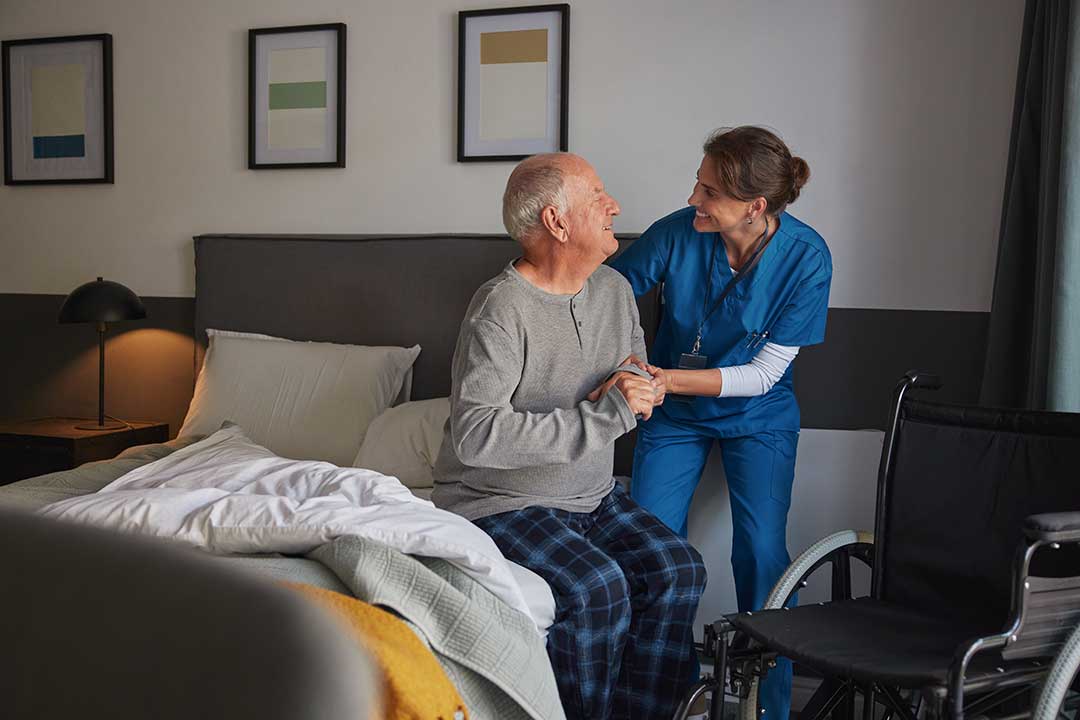
Yes. Activity programs are most useful when they offer more than one level of participation. A resident may complete an entire exercise session, join for ten minutes, observe part of an activity, or participate from a seated position.
Adaptations may include:
- Seated versions of standing exercises
- Shorter walking distances
- Additional chairs or rest areas
- Larger or easier-to-handle activity materials
- Extra time for transfers
- Quiet activities for residents who become overstimulated
- Familiar routines for people with memory loss
The same activity can often be adjusted without removing the resident from the group. For example, a gardening activity might involve planting, sorting seeds, watering, identifying herbs, or simply enjoying the outdoor setting.
Does staying active help prevent falls?
Appropriate activity may help maintain strength, balance, coordination, and confidence, all of which are related to safe mobility. However, exercise does not eliminate fall risk, and residents should not be pushed beyond their abilities.
Fall prevention also involves the surrounding environment and daily habits. Clear walkways, adequate lighting, proper footwear, accessible furniture, and timely assistance with transfers can make movement safer.
Residents should report new weakness, repeated loss of balance, vision changes, medication-related dizziness, or fear of walking. These concerns may require a review of the person’s care plan and mobility needs.
How can families encourage an active routine?
Families can support activity by asking specific questions about preferences rather than simply asking whether a loved one is “staying active.” Useful questions include:
- Which activities does the resident enjoy?
- What time of day is energy usually highest?
- Are there barriers such as pain, fatigue, embarrassment, or transportation?
- What activities can the resident still do independently?
- How are indoor and outdoor options handled during poor weather?
- Has there been a recent change in walking ability or balance?
Visits can also include gentle shared activities, such as walking a hallway, looking through photographs, listening to music, or completing a simple craft. The purpose is connection and participation, not pressure.
An active lifestyle in assisted living is built through ordinary opportunities repeated over time. Safe walking, purposeful routines, social engagement, and adaptable exercise can help residents preserve function while continuing to enjoy daily life on their own terms.
