
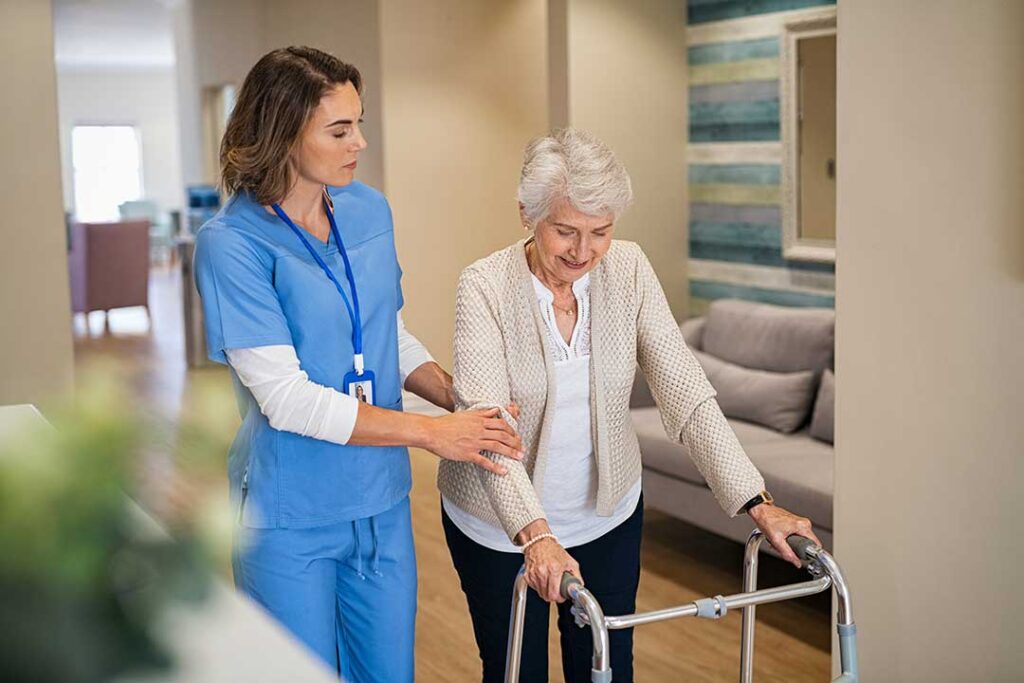
Assisted living communities strive to balance comfort, safety, and engagement for their residents. For many seniors, pets are cherished companions that bring joy, routine, and a sense of home. However, each assisted living community has its own pet policies designed to suit local regulations, community needs, and resident well-being. If you’re exploring Milton, Pennsylvania assisted living options, understanding how pet policies work can help you make an informed decision for yourself or a loved one.
Why Pet Policies Matter in Assisted Living
Many older adults consider their pets to be family members. Research has shown that the presence of animals can reduce loneliness, alleviate depression, and even improve physical health among seniors. In communities like Milton, where pet ownership is a central part of local life and leisurely strolls along the Susquehanna River are common, pet-friendly options are especially desirable.
However, communal living brings unique challenges. Ensuring both pet owners and non-pet owners are comfortable is an important objective for any senior living community. As a result, well-defined pet policies balance companionship with health considerations, safety, and maintenance.
Common Elements of Assisted Living Pet Policies
Every community has unique rules, but Milton area assisted living facilities tend to have guidelines that address the following topics:
- Type and Size of Pets: Most communities allow cats and small-to-medium-sized dogs. Some also welcome birds, fish, or small caged animals, but large breeds or exotic pets (like snakes or ferrets) are typically not permitted.
- Number of Pets: Limits help ensure the community and its staff are not overwhelmed. Generally, residents may have one or two pets.
- Vaccinations and Health Records: Up-to-date proof of vaccinations and regular veterinary visits are usually required to prevent illness within the community.
- Behavioral Standards: Pets must be well-behaved—no excessive noise, aggression, or destructive habits.
- Resident Responsibility: Owners are responsible for pet care, including feeding, grooming, cleaning up waste, and handling vet appointments. Some communities may offer support with pet care for an added fee.
- Leash and Containment: Dogs must typically be leashed in common areas. Cats and smaller animals may need to be kept within the resident’s apartment unless using designated pet areas.
Local Considerations: Milton, Pennsylvania’s Pet-Friendly Environment
Milton is known for its relaxed, neighborly atmosphere, scenic parks, and walkable neighborhoods. Many residents enjoy leisurely walks along the parks like Soldiers Memorial Park or easy access to the river. This local lifestyle makes pet-friendly assisted living communities popular among senior residents who wish to maintain their daily routines.
Moreover, local organizations and veterinarians often partner with senior housing providers to offer pet wellness clinics, grooming, and even foster opportunities. If you’re considering a move to an assisted living community in Milton, ask if their pet policy includes connections to local vets or groomers—these can make life even easier.
Questions to Ask about Pet Policies
When touring or researching Milton assisted living communities, include these questions to ensure you or your loved one will be comfortable:
- What kinds of pets are allowed? Are there breed or size restrictions?
- What documentation do I need (vaccinations, spaying/neutering proof, etc.)?
- Are there any extra costs or deposits for having a pet?
- Where can residents walk their pets? Are there designated pet-friendly areas?
- What are the procedures if a resident can no longer care for their pet?
- Are visiting pets allowed for friends and family?
- Does the community offer any pet care assistance or on-site services?
These questions help you gauge how well your pet (or love for animals) will fit into the culture of each community.

Tips for Moving to Assisted Living with a Pet
- Prepare Your Pet: Before moving, make sure your pet is comfortable spending time in a carrier or on a leash. Visit the vet for a wellness check, and update all shots and records.
- Settle In Together: On move-in day, set up your pet’s space first—familiar toys, bedding, and food bowls will help soothe anxiety.
- Meet Your Neighbors: Introduce your pet slowly to the new environment and to neighbors. This fosters positive relationships and reduces any potential issues within the community.
- Follow the Rules: Respect all community guidelines. Be considerate of non-pet owners, and promptly address any issues that arise.
- Stay Active: Take advantage of the Milton area’s walkable, pet-friendly settings. Short strolls through local parks benefit both resident and pet!
Pet Alternatives for Non-Owners
Not every senior can or wants to maintain full-time responsibility for a pet. For animal lovers who cannot keep their own pet, many Milton, PA senior living communities offer alternatives such as:
- Pet therapy visits (certified dogs or cats visit the community on a schedule)
- Community aquariums or birds
- Opportunities to volunteer with local shelters or participate in pet-related activities
These programs allow residents to benefit from animal companionship without the demands of ownership.
The Importance of a Good Fit
Finding an assisted living community that welcomes both you and your pet can feel like finding a second family. In Milton, where open green spaces and local support organizations abound, pet-friendly assisted living communities are increasingly common. By understanding specific pet policies and how they intersect with the local lifestyle, residents and families can make a transition that is both seamless and heartwarming.
Ultimately, clear pet policies keep assisted living communities safe, vibrant, and inclusive—just as they should be in Milton, Pennsylvania.
