
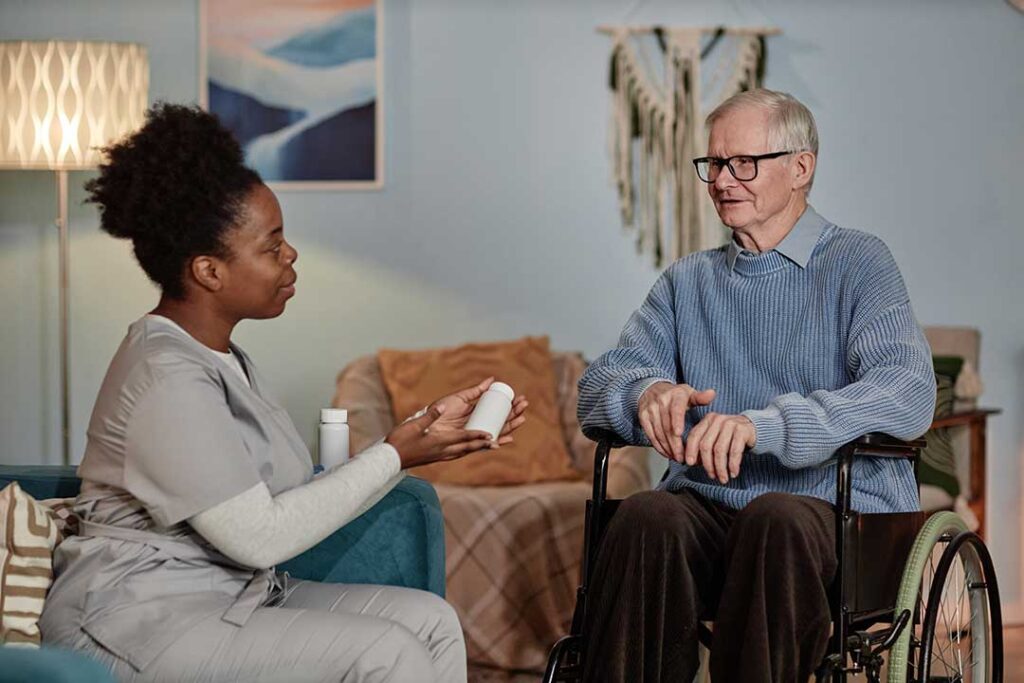
Assisted living can help couples remain connected while receiving different levels of daily support. For some partners, the move provides shared housing, prepared meals, safety features, and social opportunities without requiring both people to have identical care needs.
In Milton, PA, families often begin exploring assisted living when managing a home, transportation, medications, or personal care becomes more difficult. The decision can be emotional, especially when one spouse or partner is relatively independent and the other needs substantial assistance. Understanding how communities handle couples can make the process more practical and less overwhelming.
Can couples live together in assisted living?
Usually, couples may be able to share an apartment or suite if the residence has suitable accommodations and both individuals meet its licensing and care requirements. The living arrangement may include a private bedroom, shared living area, kitchenette, and an accessible bathroom.
Couples should ask specifically about:
- Whether shared apartments or companion suites are available
- How apartment sizes and layouts differ
- Whether each person can receive an individualized service plan
- How privacy is maintained within a shared residence
- What happens if one partner later needs a higher level of care
- Whether the community can support both people if their needs change
Living together does not necessarily mean receiving the same services. One partner may need help with bathing and medication reminders, while the other may mainly need meals, housekeeping, transportation, and opportunities for social activity.
How does assisted living support couples with different care needs?
Assisted living is generally structured around individual needs rather than treating a couple as one care unit. Each resident should have a separate assessment and care plan.
For example, one partner might receive:
- Assistance with dressing, grooming, or bathing
- Medication management or reminders
- Mobility support
- Help with toileting
- Monitoring for fall risks or changes in health
The other partner may need only occasional reminders, housekeeping, meal service, or help arranging transportation. This individualized approach can reduce the pressure on the healthier partner to act as a full-time caregiver.
That distinction matters. A spouse may want to remain supportive but may no longer be able to safely lift, transfer, supervise, or manage complex medications. Assisted living can provide structure around those tasks while preserving the relationship as a partnership.
Can one partner receive memory support while the other remains in assisted living?
In some residences, memory support is available in a separate area or through a different level of supervision. Whether a couple can remain in the same building depends on the residence’s design, staffing, safety policies, and the needs of the person experiencing memory loss.
Memory-related changes may include wandering, nighttime confusion, difficulty recognizing familiar people, or unsafe use of appliances. A partner who remains oriented and independent may still want frequent contact without being responsible for constant supervision.
Families should ask:
- Are memory support services available on the same campus or in the same building?
- Can the couple share meals or activities?
- Are visits allowed throughout the day?
- How are nighttime needs handled?
- What changes would require a transfer to another care setting?
- Can belongings, routines, and familiar furnishings be preserved?
A shared location may help couples maintain regular contact, but it should not place the more independent partner in the role of unpaid or untrained staff.
What are the emotional benefits for couples?
Moving together can reduce the grief and loneliness that sometimes follow a move into care. Couples may continue familiar routines such as eating breakfast together, watching television, attending activities, or taking walks in accessible areas.
A shared setting may also make it easier for family members to visit both partners at the same time. Adult children and other relatives may find it simpler to coordinate transportation, celebrations, medical updates, and household decisions when the couple lives in one residence.
Still, couples may experience mixed emotions. One partner may feel guilty about needing care, while the other may feel responsible for making the move work. A spouse who is more independent may also worry about losing privacy or being expected to participate in every care decision.
Open conversations can help. Each person should have an opportunity to discuss personal routines, preferred activities, privacy needs, and concerns about changing health.
How can couples prepare for the move?
Preparation is easier when the household is treated as two individuals sharing one transition. Before moving, create a list of each person’s medications, diagnoses, mobility needs, eating preferences, sleep patterns, and daily routines.

It can also help to sort belongings into four groups:
- Items both partners use
- Personal items for each individual
- Important documents and medical information
- Furniture or equipment that may not fit safely
Measure the new living space before deciding what to bring. Familiar photographs, a favorite chair, a small clock, or commonly used books may make the apartment feel more recognizable. At the same time, pathways should remain clear for walkers, wheelchairs, and emergency access.
Because winter weather in the region can affect travel and walking conditions, families may also want to ask about indoor walking areas, transportation during snow or ice, emergency communication systems, and procedures for missed appointments during difficult weather.
What financial questions should couples ask?
Assisted living costs may be based on the apartment, the number of residents, the services each person receives, or a combination of these factors. A couple should request a written explanation of recurring fees and possible additional charges.
Questions may include:
- Is there a separate fee for the second resident?
- Are care charges assessed individually?
- What services are included in the basic monthly amount?
- How are medication assistance and transportation billed?
- Are fees likely to change if one person needs more help?
- What happens financially if one partner dies or moves to another level of care?
- Are deposits, move-out requirements, or refund policies clearly explained?
Medicare generally does not pay for ordinary assisted living room and board. Some other public benefits or long-term care policies may help with eligible services, depending on the person’s circumstances. Financial eligibility rules can change, so families should verify current information through appropriate government or benefits resources before making assumptions.
What if one partner does not want assisted living?
Differences in readiness are common. The partner who needs more help may fear losing independence, while the other may feel exhausted or unsafe managing everything at home.
A useful conversation focuses on specific daily problems rather than arguing about whether either person is “ready.” Examples include missed medications, falls, difficulty preparing meals, unsafe driving, unpaid bills, or inability to manage stairs and winter maintenance.
Couples may also consider a gradual transition, such as spending time visiting a residence, attending a meal or activity if permitted, or moving after organizing the apartment together. The goal is not to erase independence but to create a safer arrangement that allows both people to remain involved in decisions.
What should families revisit after moving?
A couple’s needs can change after the move. Review care arrangements if there are repeated falls, new confusion, weight loss, nighttime distress, changes in mobility, or increasing caregiver strain.
The more independent partner should continue having personal health appointments, friendships, interests, and private time. The relationship should not be defined only by the care needs of one person.
A successful arrangement allows couples to remain emotionally connected while giving each person appropriate support. Shared housing can preserve familiar companionship, but individualized care plans, clear financial expectations, privacy, and preparation are what make the arrangement workable over time.
